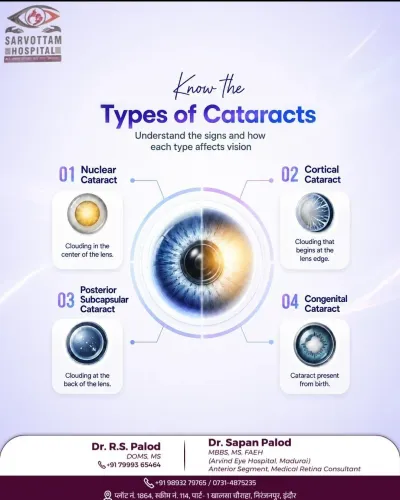
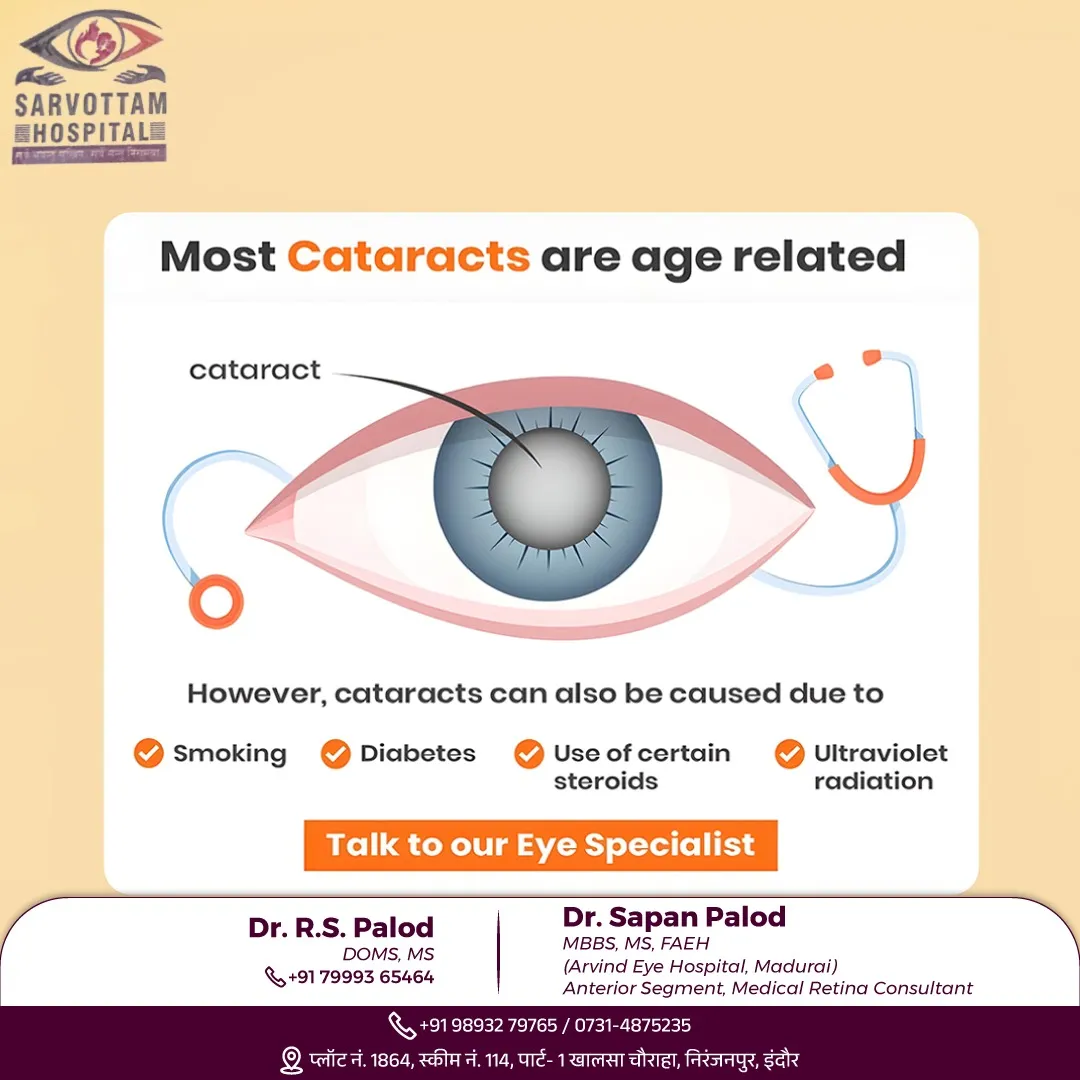
Most cataracts are age-related, affecting millions of people worldwide. Age-related cataracts typically develop after the age of 60, and the risk increases with age.
Why Age-Related Cataracts Occur:
1. *Protein changes*: Over time, the proteins in the lens of the eye can become damaged or denatured, leading to clouding.
2. *Lens wear and tear*: Years of exposure to sunlight, UV radiation, and other environmental factors can cause the lens to become cloudy.
3. *Oxidative stress*: The accumulation of free radicals and oxidative stress can damage the lens and contribute to cataract formation.
Risk Factors for Age-Related Cataracts:
1. *Age*: The risk of cataracts increases with age.
2. *Family history*: Having a family history of cataracts can increase your risk.
3. *Smoking*: Smoking can increase the risk of cataracts.
4. *Ultraviolet (UV) radiation*: Prolonged exposure to UV radiation can increase the risk of cataracts.
5. *Diabetes*: People with diabetes are at increased risk of developing cataracts.
Prevention and Treatment:
While age-related cataracts can't be completely prevented, there are steps you can take to reduce your risk:
1. *Wear sunglasses with UV protection*: Protect your eyes from UV radiation.
2. *Quit smoking*: Smoking can increase the risk of cataracts.
3. *Maintain a healthy diet*: Eating a balanced diet rich in fruits, vegetables, and omega-3 fatty acids can help support eye health.
4. *Get regular eye exams*: Regular eye exams can help detect cataracts early, when they're easier to treat.
Treatment for age-related cataracts typically involves surgical removal of the cloudy lens and replacement with an artificial lens.
Keywords